Part 2: Who and What
This is the second part in my planning a garden series. You can check out part one by clicking the link below.
Let’s jump right into the second part.
Who
Who will be taking care of your garden? This question is the make or break of your garden’s success. Is it solely you? Then make it easier on yourself and make it small. A small, four by eight foot garden that is weed-free will produce more than a large one that has lots of weeds. Even if you have figured out how to make your garden weed-free with little effort, tending to a lot of plants can be overwhelming.
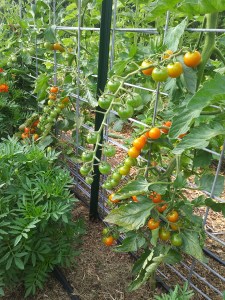
Will you have help? This year, I have doubled my garden’s size. It went from four twenty foot beds to eight twenty foot beds. With life pulling me in many directions, I need my husband’s (and young kiddos) help. I do a lot of the work, but they do enjoy working in the garden, too. Especially when it comes to harvesting the tomatoes and peas. They don’t whistle while they work, they eat while they work.
Another question to consider is who will be eating the produce your garden produces. One summer squash plant will produce enough fruit all summer long for a family of four. Unless you’re like us who like different kinds a squash and eat it almost every day, then you will want more. There are multiple website that help you figure out how many plants you’ll need to feed your family. A quick google search of “how many plants to grow to feed my family” will point you in the right direction.
I encourage you to grow a little more than you need and give it away to family, friends, or whomever. Sharing is caring!
What
There are a lot of whats when it comes to gardening. I’ll limit it to these three: What type of garden, what to grow, and what supplies to use.
What type of garden
What do I mean by what type of garden? I mean what are you going to grow your vegetables, herbs, and flowers in. Is it
- Containers or grow bags?
- Straw bales?
- Raised beds with sides?
- Raised beds without sides?
Containers or grow bags: If you don’t have much of a yard or not one at all, you’re limited to containers. Don’t let this stop you. There are so many people who have produced quite a bit of food from their balconies. A quick google search will prove it. There are lots of plants that do well in containers. Grow bags are an alternative solution for using plastic. Many people report that the air pruning helps their plants not get root bound. Grow bags come in various sizes like 5, 7, 10, and 20 gallons.
Straw bales: I refer to straw bale gardening as old folks gardening. Don’t get mad, but let me explain. Straw bales sit up high which is perfect if you have knee or back problems. You can find straw bales very easily. The number of weeds that grow in them is almost zero. Little supplies are required. Certain plants like tomatoes do wonderfully in them. After about two seasons (spring and fall), it breaks down and you can start over the next year. Joel Karsten wrote a book about it and explains everything in very simple steps. Sounds like a dream, right? Though I’ve never tried it, to do it organically is pricier, especially starting a new bale every year. It is something to consider, though.
Raised beds with sides: This is the most expensive of the four. You have to buy materials to build up the side of the beds as well as the soil to fill it. It takes time to construct it, too. On the flip side, it also has lots of advantages. They can really give your space the wow factor. I love seeing all the different kinds of materials people use to make their beds. They can last for years, it is easier on your joints, there are built-in seats everywhere, it drains well, the soil is ready to grow, and root crops do wonderfully in them.
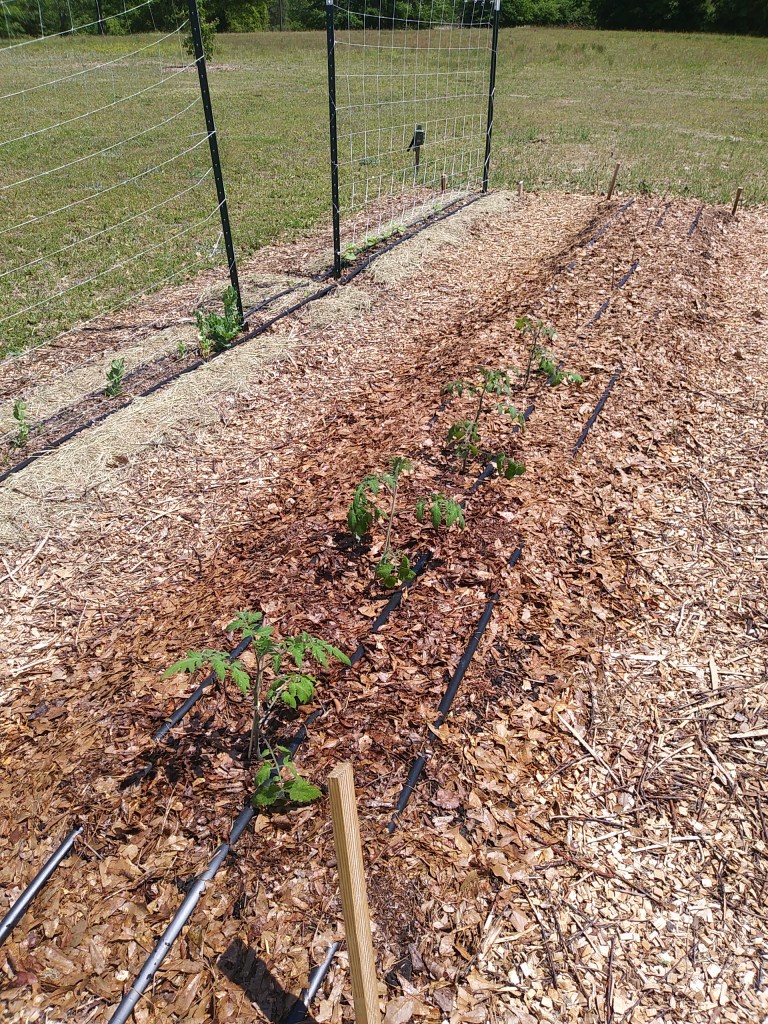
Raised beds without side: This is the type of garden I have now. I’m cheap (more on that later) and I like the challenge of making my soil just right for my plants. Building great soil takes years and I don’t mind. With the help of a soil test, I make sure I have the correct pH and enough nutrients (read more about soil in part one). I spend the money I would have used on building sides on compost and other amendments. I don’t (yet) have back or other joint problems so bending isn’t an issue. What makes it raised is that I build up the beds so they are higher than the walking paths and area around the garden. This helps with drainage and allows roots to grow down in the loose soil. I’ll explain more on how I build my beds in another post.
What to grow
This is an easy one. Simply answer: what will you and your family eat? If you don’t eat radishes, don’t grow them. Even though they are super easy and super fast to grow. Make a list of what you eat and put your favorites on top, picking what you have room for. Another thing to consider is nutrition. Some vegetables are packed with more minerals and vitamins than others such as kale, sweet potatoes, and carrots. But again, don’t grow them if you won’t eat them. Now, if you are curious and want to try them, by all means. Please try them. There are many vegetables that taste oh-so-much better than store bought, such as tomatoes and carrots. Have you ever had a still-warm-from-the-garden tomato sandwich? My mouth is watering just thinking of it. Let’s move on.
What supply to use
When planning your garden, how much money you want to spend is big factor. Now if you are the thrifty type, you can probably spend very little. Costs to consider:
- compost
- mulch
- wood for raised beds
- soil for raised beds
- irrigation
- trellis (for growing plants like beans and tomatoes)
- fertilizers and other amendments
- soil test
- water bill
- seeds and seed starting supplies
- plants
- broadfork or other garden tools
As I stated earlier, I’m cheap. I like to use what I have. There is a big but here (sorry, I had to say it). BUT I will spend money if it makes my life easier. For example, on irrigation, I gladly bought dripline and all the extras so I didn’t have to hand water. I want to go on vacation or just spend my time otherwise and not have to worry about watering my plants. Read about how I irrigate my garden in part one. Compost and other soil amendments is another cost I am willing to budget for every year. I do so organically so it’s even more. I have heard it said and I’ll reiterate it: spend your money and time on building great soil. Your plants will thank you.
 Blooms for Life Farm
One thought on “Planning a Garden Series: Part 2”